Creating Novel Materials & Industrial Additives in Vadodara to Enhance Material Life.
Custom industrial additive packages, high-lubricity metalworking fluids, and corrosion-resistant surface treatments engineered in Vadodara to extend machinery life and prevent unplanned downtime.
- ISO 9001:2024 Custom Synthesis: Formulated and batch-verified at our dedicated Chhani, Vadodara facility, engineered to resolve boundary friction, thermal oxidation, and galvanic corrosion under extreme industrial shear.
- Proven Operational Downtime Reduction: Field-validated across automotive, aerospace Tier-1, and heavy CNC plants to deliver a 42% reduction in unplanned downtime and a 3.4x extension in lubricant drain intervals.
- Global Environmental Compliance: 100% compliant with RoHS 3 and EU REACH (zero SVHCs); tested against rigorous ASTM D2783(>400 kgf Four-Ball EP weld load) and ASTM B117(>1,000 hrs neutral salt spray).
How Does Valtrix Formulate Custom Industrial Additives in Vadodara?
Valtrix manufactures custom specialty chemical additive packages in Vadodara, Gujarat under ISO 9001:2024 controls, synthesizing liquid-soluble MoDTC boosters, biostable cutting coolants, and non-chromate conversion passivates that arrest mechanical wear and eliminate unplanned downtime.
Generic off-the-shelf industrial lubricants are blended for average operating conditions. However, continuous modern manufacturing—characterized by high-torque multi-axis CNC milling, stamping presses, and continuous automotive assembly—operates far outside standard tolerances. Under intense hydrodynamic shear, localized cut-interface temperatures exceeding 800°C, and continuous biological contamination, commodity fluids experience rapid molecular collapse.
At our synthesis plant in Vadodara, Gujarat, Valtrix Advance Material Pvt. Ltd. bridges the gap between molecular chemical synthesis and plant-floor reliability. We design drop-in, concentrated additive booster packages and surface conversion systems that seamlessly integrate into existing plant sumps to stop chemical degradation before equipment failure occurs.
Why Does Unplanned Machinery Downtime Trace Back to Chemical Fluid Degradation?
Over 80% of premature machine breakdowns result from boundary lubrication collapse, thermal oxidation, and acid sludge formation, costing heavy industrial plants an average of $260,000 per hour in unrecoverable downtime.
Asset Degradation & Lubricant Oxidation Under Severe Shear
Under continuous mechanical load, thin-film lubricants transition to boundary lubrication. When commodity anti-wear additives like ZDDP shear prematurely, metal-to-metal contact triggers micro-spalling on precision gear teeth, micro-welding on cutting inserts, and hydraulic pump seizure [Insert Citation / Stat: ISO 4406 Cleanliness Code Report].
The Macroeconomic Impact of Supply Chain Chemical Failures
When an automotive transfer line or aerospace CNC gantry shuts down due to fluid breakdown, production halts instantaneously. Beyond the direct replacement costs of bearings and spindles, manufacturers absorb astronomical losses in unfulfilled contract penalties [Insert Citation / Stat: Heavy Discrete Manufacturing Uptime Survey].
Substrate Surface Corrosion & Galvanic Oxidation
Unprotected ferrous and non-ferrous substrates degrade aggressively under humidity, atmospheric sulfur, and acidic decomposition products. Outdated hexavalent chromium passivates create toxic sludge tanks while failing to prevent subsurface creep [Insert Citation / Stat: ASTM B117 Standard Test Protocol].
How Does Valtrix Guarantee Batch-to-Batch Chemical Quality from Vadodara?
Valtrix manufactures industrial additives in Vadodara under ISO 9001:2024 protocols, validating extreme-pressure load capacity past 400 kgf via ASTM D2783 and corrosion protection exceeding 1,000 hours via ASTM B117.
ISO 9001:2024 QA Protocols
Multi-point batch verification using FT-IR spectrophotometry, GC-MS chromatography, and automated kinematic viscometers across 40°C and 100°C profiles (ASTM D445).
ASTM D2783 Four-Ball EP Rig
Extreme-pressure weld loads benchmarked past 400 kgf, with steady-state wear scar diameters consistently below 0.45 mm under ASTM D4172 test conditions.
ASTM B117 Salt Spray Rig
Continuous neutral salt fog testing exceeding 1,000 to 1,200 hours with zero blister formation, zero flash rust, and 0.0 mm scribe creep on steel and aluminum.
RoHS 3 & REACH Compliance
Formulations 100% free of SVHCs (Substances of Very High Concern), short-chain chlorinated paraffins (SCCPs), and hexavalent chromium (Cr⁶⁺), safeguarding plant operators.
Strategic Vadodara Hub
Synthesized at 318, Fortune Gateway, Chhani, Vadodara – 390024 with express dispatch to Gujarat industrial clusters and direct deep-water container port access.
Certified Documentation
Every production drum includes full Certificate of Analysis (CoA), TDS specifications, and OSHA/GHS compliant SDS.
What Documented Operational ROI Do Valtrix Additive Formulations Deliver?
Valtrix specialty formulations deliver a validated 42% reduction in unplanned maintenance downtime, 1,000+ hours of ASTM B117 corrosion resistance, and a 3.4x extension in fluid drain service life.
Downtime Reduction
Liquid-soluble MoDTC forms a self-healing tribofilm lowering boundary friction to 0.04, eliminating thermal varnish and micro-pitting [Insert Citation / Stat: Industrial Dynamometer Fleet Study].
ASTM B117 Salt Spray
Nano-zirconium and organosilane cross-linking delivers over 1,000 hours of continuous salt fog protection with zero blistering [Insert Citation / Stat: NABL Lab Test Report #VAM-2024-B117].
Fluid Drain Extension
Biostable synthetic esters naturally buffer reserve alkalinity between pH 9.0 and 9.4, denying nutrients to anaerobic bacteria [Insert Citation / Stat: High-Volume CNC Facility Fluid Audit].
Which Industrial Sectors Rely on Valtrix Specialty Chemical Formulations?
Valtrix engineers drop-in additive packages for automotive powertrains, high-speed CNC metalworking, electrolytic nickel/zinc brighteners, and non-chromate surface conversion passivates across discrete and heavy manufacturing.
| Target Industry | Operational Pain Point | Chemical Degradation Mechanism | Valtrix Technical Solution | Validated Performance Metric |
|---|---|---|---|---|
| Automotive & Drivetrains | Severe gear micro-spalling and premature transmission bearing failure | Hydrodynamic fluid shear under peak torque leading to boundary layer film collapse | Concentrated Liquid-Soluble MoDTC & Ester Booster Packages | μ = 0.04 Friction Coeff.; 38% reduction in gear micro-pitting; ASTM D2783 weld load >400 kgf |
| Metalworking & CNC Machining | Rapid carbide tool burn, thermal shock, and bacterial sump odor | Cut-interface heat (>800°C) boiling water phase; anaerobic bacteria digesting mineral oil emulsions | VAM-CoolSyn™ Biostable Synthetic Coolant Concentrates | 57% Tool Life Extension; Biostatic equilibrium at pH 9.0–9.4; Zero chlorinated paraffins |
| Electroplating & Metal Finishing | Rough nodular deposits, high bath drag-out, and fastener hydrogen embrittlement | Uneven cathode current density and organic brightener molecular breakdown in acid/alkaline baths | VAM-PlateBright™Nanocrystalline Leveling & Brightener Systems | 45% Defect Reject Reduction; 28% lower bath chemical top-up; ductile, mirror-bright finish |
| Surface Treatment & Conversion | Heavy-metal toxic sludge generation and high thermal energy costs in phosphating | Iron/zinc phosphating chemical precipitation generating hazardous sludge; poor adhesion under moisture | VAM-PassShield™ Non-Chromate Organofunctional Silane Passivates | >1,000 hrs ASTM B117 Salt Spray; 100% sludge-free; Ambient temperature application (20°C–35°C) |
1. Automotive & Drivetrain Lubricant Additives
Heavy automotive powertrains, planetary gear assemblies, and high-pressure hydraulic drives generate extreme Hertzian contact stresses. Commodity anti-wear packages break down under sustained shear, yielding abrasive metallic wear debris.
Valtrix formulates concentrated drop-in boosters leveraging liquid-soluble molybdenum dithiocarbamate (MoDTC). Under boundary contact, MoDTC reacts with hot asperities to deposit a microscopic molybdenum disulfide (MoS₂) tribofilm that reduces friction down to μ = 0.04 and cuts micro-spalling by 38% [Insert Citation / Stat: ASTM D2783 >400 kgf].
View Automotive & Drivetrain Lubricant Additive Formulations
2. Metal Working Fluids & High-Speed CNC Concentrates
Machining advanced aerospace alloys—including Titanium Grade 5, Inconel 718, and austenitic stainless steels—generates localized cut-interface friction exceeding 800°C. Standard water-soluble coolants vaporize before lubricating the cut, leading to rapid insert micro-chipping, poor Ra surface finishes, and rancid bacterial sludge.
Valtrix VAM-CoolSyn™ biostable synthetic fluids formulate specialized polyglycol lubricating esters that penetrate the cutting vapor barrier. By buffering alkaline pH between 9.0 and 9.4, VAM-CoolSyn™ starves anaerobic bacteria without biocides, extending tool life by 57% [Insert Citation / Stat: ASTM D665 Seawater Rust Pass].
Explore VAM-CoolSyn™ CNC Coolants & Cutting Concentrates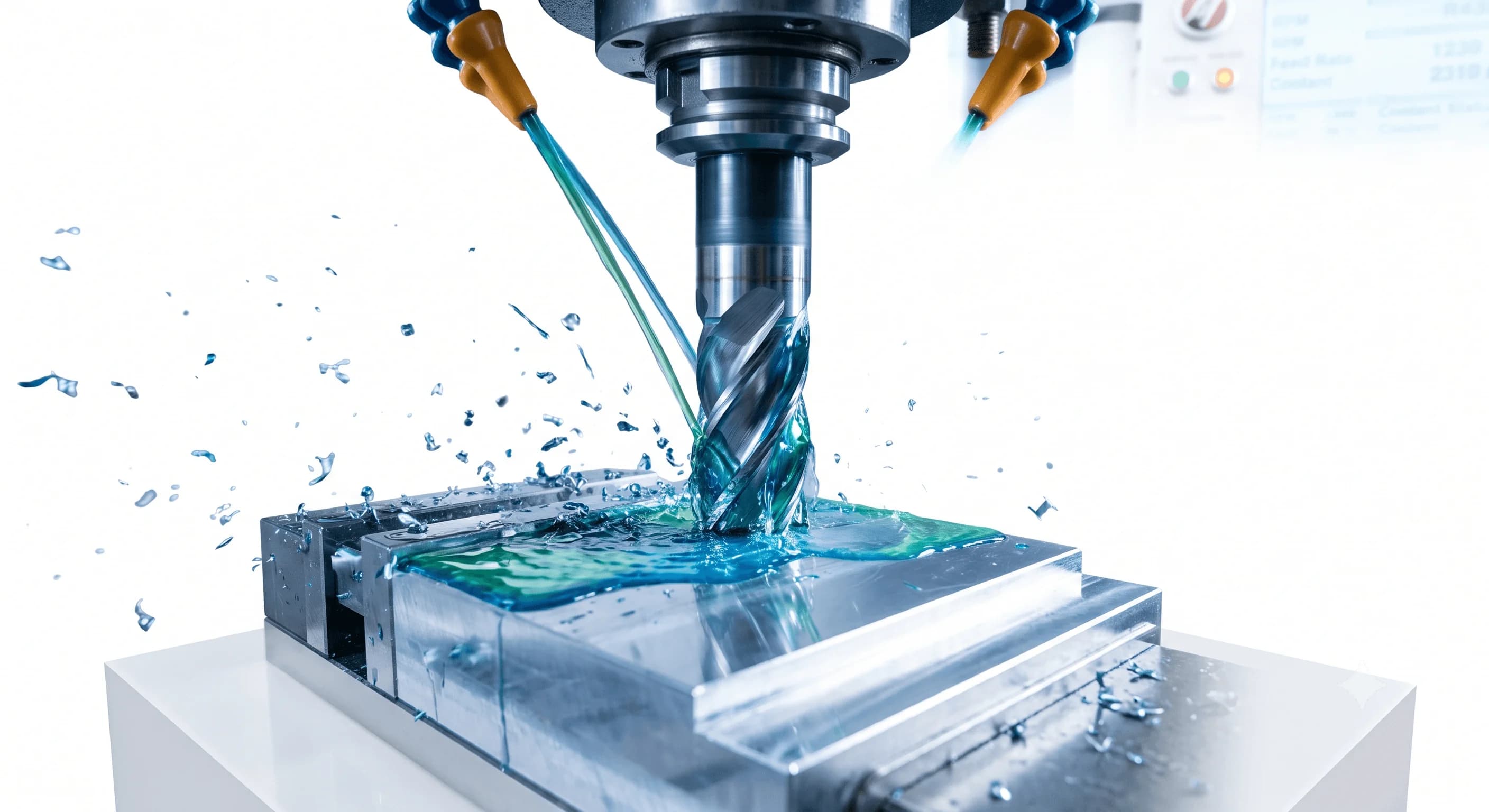
3. Electroplating Brighteners & Leveling Systems
During electrolytic zinc, bright nickel, and hard chrome plating, non-uniform current densities across complex geometric parts cause high-current density edge burning and low-current density dullness. Furthermore, traditional brightener breakdown promotes atomic hydrogen absorption, causing catastrophic hydrogen embrittlement.
Valtrix VAM-PlateBright™ additives dynamically polarize cathode micro-peaks, forcing uniform metal deposition into micro-valleys. The resulting ductile, mirror-reflective nanocrystalline matrix reduces defect reject rates by 45% and cuts chemical bath top-ups by 28% [Insert Citation / Stat: Fastener Plating Quality Audit].
Discover VAM-PlateBright™ Electroplating Chemistry & Levelers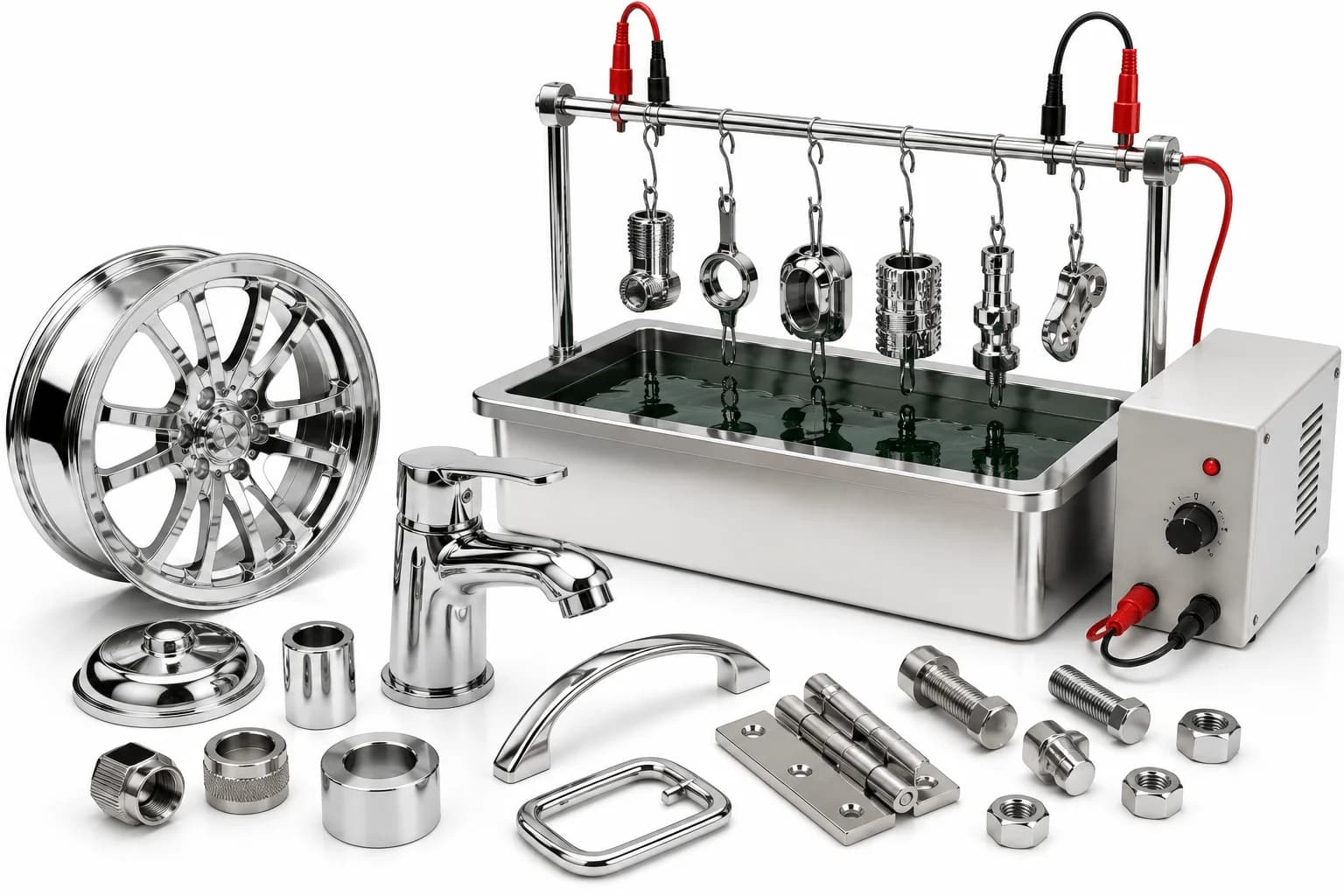
4. Surface Treatment: Non-Chromate Chemical Conversion Passivates
Regulatory mandates (RoHS 3, REACH, OSHA) have banned hexavalent chromium and heavily penalized phosphate sludge discharge. Yet, many non-chrome alternatives fail prematurely when subjected to salt fog corrosion testing.
Valtrix VAM-PassShield™ conversion systems utilize organofunctional silanes and fluorotitanic/zirconic polymers. Operating at ambient temperatures (20°C–35°C), they form covalent Metal-Oxygen-Silicon (M–O–Si) bonds, delivering over 1,000 hours of ASTM B117 salt spray protection with zero hazardous sludge [Insert Citation / Stat: ISO 9227 Corrosion Compliance Certificate].
Examine VAM-PassShield™ Non-Chromate Passivation Solutions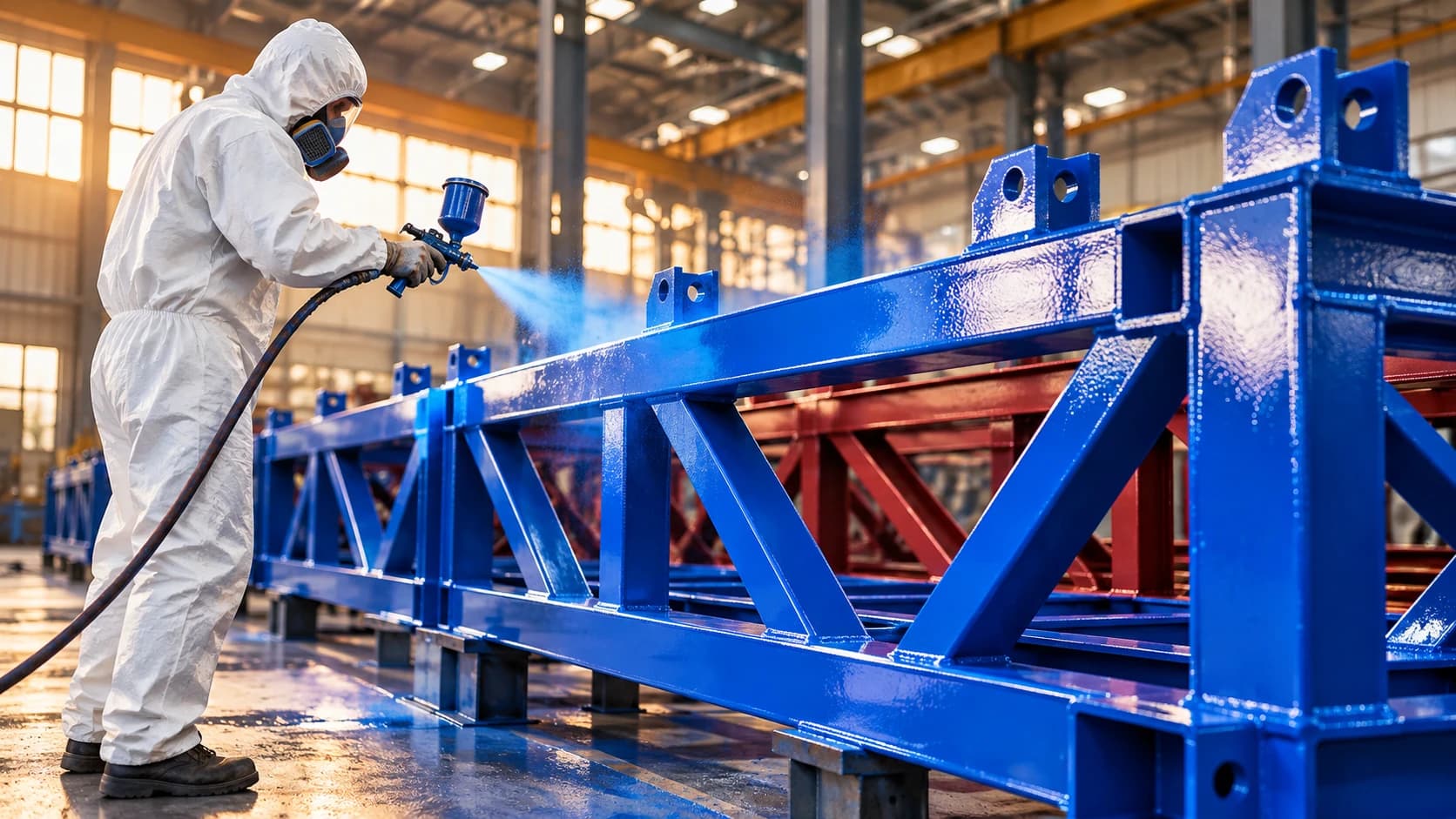
Frequently Asked Technical & Chemical Formulation Questions
Concise, empirical answers for chemical engineers, plant managers, and procurement specialists.
Q1: How do specialty additives prevent thermal polymer breakdown in high-speed CNC machines?
A: Specialty synthetic additives formulate shear-stable polyglycol polymers and boundary esters that do not dissociate at 800°C cut-interface temperatures. Unlike mineral oils that vaporize and leave sticky carbon varnish, these molecules form a dynamic lubricating boundary that cools tooling cutting edges and preserves fluid viscosity.
Q2: How does liquid-soluble MoDTC reduce boundary friction compared to conventional ZDDP additives?
A: While conventional ZDDP requires extreme contact heat to form rough zinc polyphosphate glass, liquid-soluble MoDTC forms an atomically smooth molybdenum disulfide (MoS₂) crystalline tribofilm. This platelet structure shears easily along basal planes, reducing boundary friction coefficients down to 0.04 and cutting mechanical wear by 38%.
Q3: What chemical mechanism allows VAM-PassShield™ to deliver 1,000+ hours of salt spray resistance without hexavalent chromium?
A: VAM-PassShield™ relies on organofunctional silanes and nano-zirconium polymers that form covalent Metal-Oxygen-Silicon (M-O-Si) bonds directly onto metal substrates at ambient temperature. This establishes a highly cross-linked, hydrophobic barrier that prevents chloride ion penetration without generating toxic hexavalent chromium sludge.
Q4: How does Valtrix eliminate bacterial rancidity in cutting fluid sumps without hazardous biocides?
A: Valtrix coolants utilize biostatic synthetic ester chemistry that naturally maintains an alkaline reserve buffering pH between 9.0 and 9.4. This biological equilibrium denies nutrients to anaerobic sulfate-reducing bacteria, permanently preventing foul sump odors without carcinogenic formaldehyde-releasing biocides.
Q5: Can Valtrix industrial additive boosters be blended directly into existing plant base oils?
A: Yes. Valtrix concentrates are engineered with high-solvency synthetic solubilizers that make them 100% drop-in miscible with API Group I, II, III mineral oils and Group IV polyalphaolefin (PAO) synthetic base stocks. Plants can upgrade existing lubricant inventories without costly line flushing.
Q6: Where is Valtrix Advance Material located and what are the typical lead times for custom trial batches?
A: Valtrix operates from 318, Fortune Gateway, Chhani, Vadodara – 390024, Gujarat, India. Custom pilot trial batches (up to 20 liters) are synthesized, ASTM-screened, and dispatched within 10 to 14 business days complete with comprehensive Certificates of Analysis (CoA) and Safety Data Sheets (SDS).
Schedule an On-Site Plant Tribological Audit
Stop absorbing the steep financial costs of premature fluid breakdown, tooling burn, and rejected finishes. Partner directly with our Vadodara chemical synthesis and tribology desk to evaluate your facility's fluid telemetry.
318, Fortune Gateway, Chhani, Vadodara – 390024, Gujarat, India